Wedding Islamic Flat Design: A Modern Aesthetic for Timeless Celebrations
Understanding the Visual Language of Islamic Flat Design
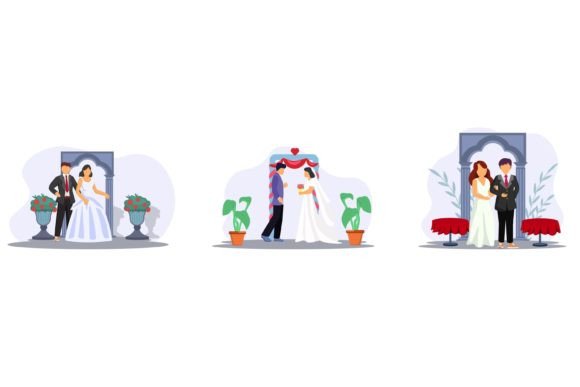
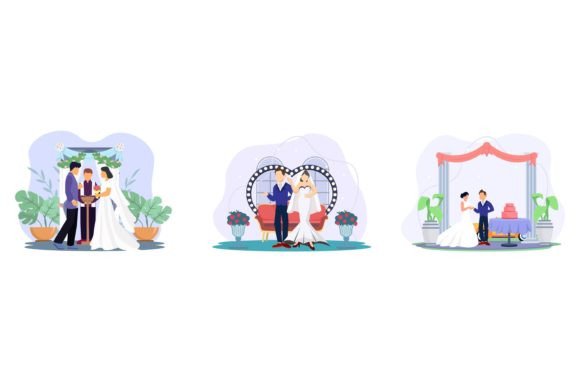
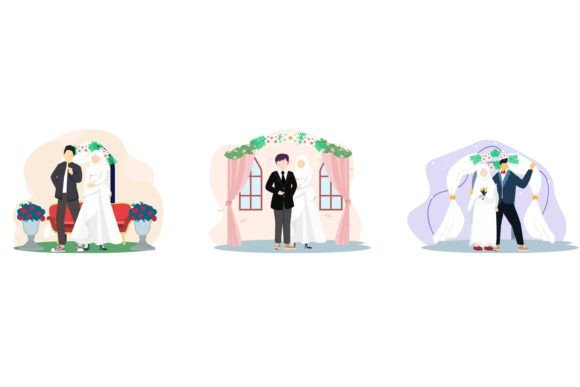
When you hear "Wedding Islamic Flat Design," it’s easy to picture a single image, but it’s actually a rich visual style that has become a cornerstone for modern Muslim celebrations. At its heart, this design approach distills the intricate beauty of Islamic art—think geometric patterns, arabesque motifs, and calligraphic flourishes—into clean, two-dimensional forms. It’s a style that prioritizes clarity and modern elegance over ornate, three-dimensional rendering. The "flat" aspect means no drop shadows, gradients, or textures that mimic real-world materials. Instead, you get bold shapes, clean lines, and a focus on symbolic elements like crescent moons, stars, lanterns, mosques, and floral arrangements inspired by Islamic tradition.
The personality of this design style is one of respectful modernity. It doesn’t abandon tradition; it reinterprets it for a contemporary audience. The result is a visual language that feels both culturally rooted and refreshingly current. This makes it incredibly versatile. It can feel serene and spiritual for a formal invitation, or joyful and celebratory for a social media announcement. The color palettes often lean towards sophisticated combinations—think deep emerald greens, rich golds, pristine whites, and soft blush pinks—applied in flat, unshaded blocks that give designs a crisp, professional finish.
Where This Style Truly Shines: Practical Applications
The true value of a resource like a Wedding Islamic Flat Design vector pack becomes apparent when you start applying it to real projects. Its strength lies in its scalability and editability. Because the core assets are vector-based (often provided as EPS files), they can be resized to fit anything from a tiny favicon to a large-format banner without losing an ounce of sharpness. This is a game-changer for maintaining brand identity consistency across all touchpoints.
For entrepreneurs and small business owners in the wedding industry—planners, caterers, photographers, boutique owners—this style is a goldmine. Use it to create a cohesive look for your client proposals, thank-you cards, or even your own company’s promotional materials. The flat design elements work beautifully in logo design, where a simplified mosque silhouette or an elegant crescent can become a memorable mark. They are equally powerful in packaging design for wedding favors, adding a touch of cultural elegance that feels premium.
Marketers and content creators will find these assets indispensable for social media. The clean, graphic nature of flat design is perfect for Instagram posts, Facebook event covers, and Pinterest pins. It ensures your graphics are visually striking and easy to understand at a glance. The editable color objects mean you can quickly adapt the palette to match a client’s specific wedding theme or your own brand colors, ensuring every piece of content feels intentionally designed.
For designers and bloggers, the applications are endless. Imagine designing a beautiful wedding checklist PDF for your readers, using these motifs as decorative headers or border elements. In editorial design, they can break up text-heavy pages in a wedding magazine or blog post, adding visual interest without overwhelming the reader. Even crafters and hobbyists can use the SVG or EPS files for personal projects like designing their own wedding stationery, creating custom cake toppers, or making personalized wall art.
Making the Right Choice: Evaluation and Implementation
Choosing the right design asset is about more than just liking the preview. When evaluating a Wedding Islamic Flat Design kit, start by assessing its versatility. Does it offer a good range of motifs? Look for a mix of standalone icons (a lantern, a ring), pattern elements (for borders and backgrounds), and perhaps some pre-made compositions or frames. A well-organized file with clearly labeled, separate layers is a sign of a professional design asset that will save you time and frustration.
Next, consider your project’s specific needs. Is it for digital or print? While the file is in RGB color mode (ideal for screens), you can convert the vectors to CMYK for professional printing. Test the elements in context. Place a motif into your invitation layout. Does it enhance the text or compete with it? The goal is to support your message, not overshadow it. This is where visual hierarchy matters; use larger, more detailed elements sparingly as focal points, and simpler patterns or icons to complement the overall composition.
Font pairing is a critical companion to these graphic elements. The clean lines of flat design pair exceptionally well with a variety of typefaces. For a harmonious, elegant feel, consider pairing it with a sophisticated serif font or a graceful script font for headlines. To emphasize its modern edge, use a clean sans serif font for body text. The key is contrast in style but harmony in mood. Avoid pairing it with overly decorative or handwritten fonts that might clash with its structured aesthetic. Always test your combinations to ensure readability is maintained, especially in longer text blocks.
Finally, pay attention to the licensing. If you’re using these assets for a client project or for commercial sale (like on printed merchandise), you need to ensure the license permits commercial use. A truly valuable premium font or graphic pack comes with clear, straightforward licensing that allows you to use it confidently in your professional work. By selecting a versatile, well-crafted kit and applying it thoughtfully, you’re not just decorating—you’re building a recognizable and professional visual identity that resonates deeply with its audience.