Wedding Dress: A Guide to Modest & Modern Bridal Fashion
The term Wedding Dress represents more than just a garment; it is the centerpiece of a bride’s personal narrative. For many, particularly within the Muslim community and those favoring modest fashion, the search for the perfect dress is a journey of balancing tradition with contemporary aesthetics. Modern bridal wear has evolved significantly, moving away from the one-size-fits-all approach of the past. Today, the market is rich with designs that honor cultural heritage while embracing high-fashion silhouettes. Whether you are a designer curating a collection, a content creator styling a shoot, or a bride planning her look, understanding the nuances of long dresses and party dresses is essential. We are seeing a beautiful convergence where modesty meets luxury, creating silhouettes that are both respectful and incredibly stylish.
The Evolution of Modesty in Bridal Design
When we look at Muslim wedding dress designs, we see a masterclass in fabric manipulation and structural engineering. These aren't just dresses with longer sleeves; they are architectural feats that provide full coverage without sacrificing the "wow" factor. A key visual characteristic of this style is the use of layering. Sheer overlays, often made of tulle or organza, allow for coverage over the arms and neck while maintaining a light, airy aesthetic. Embroidery is frequently placed on these overlays, creating a floating effect that looks stunning in photography.
For entrepreneurs and small business owners in the bridal industry, this niche offers immense opportunity. The "modest" label isn't a restriction; it’s a specific design language. It involves understanding necklines—think high illusion necklines or elegant boat necks—and how they interact with different face shapes. It requires knowledge of how heavy beading drapes on a bodice that extends to the collarbone. Furthermore, the demand for beautiful wedding dresses that work for religious ceremonies often extends into reception wear. Many brides opt for a dramatic, modest gown for the Nikah or ceremony and change into a slightly less restrictive, though still covered, party dress for the celebration. This creates a need for versatility in design, where a dress looks as good in a seated position as it does standing at the altar.
Visual Characteristics: Texture, Silhouette, and Appeal
The personality of a modern modest dress is defined by its silhouette. While the A-line and ballgown remain popular for their regal feel, we are seeing a surge in long dresses that feature sleek, column-like structures. These gowns rely heavily on the quality of the fabric—crepe and satin are favored for their ability to skim the body without clinging, offering a sophisticated profile that looks expensive and polished.
For designers and graphic artists, the texture of these dresses offers rich visual material. When working with raster images or PSD files for portfolio presentation, the interplay of matte fabrics against high-shine embroidery creates a depth that is crucial for high-resolution displays. A DPI of 350 is the industry standard for capturing these details. At this resolution, the individual sequins on a bodice or the intricate lacework on a cuff become distinct, allowing for crisp prints and detailed digital zooms. This level of detail is vital for packaging design or lookbooks where the tactile feel of the dress needs to be communicated visually. The visual appeal lies in the contrast: the starkness of a white or ivory fabric against the complex geometry of beadwork.
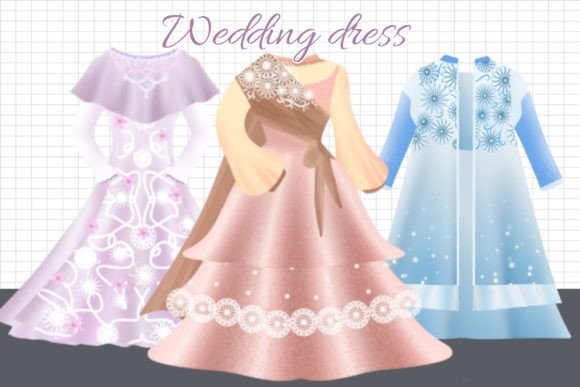
Color palettes are also shifting. While white remains the classic choice, soft pastels—blush, champagne, and dove grey—are becoming staples in party dress and bridal collections. These hues soften the overall look and are particularly flattering in diverse lighting conditions, from the warm glow of a banquet hall to the harsh light of a studio.
Practical Application: Design Assets and Digital Workflows
For marketers, bloggers, and content creators, presenting these designs effectively requires the right tools. When you are building a lookbook, creating social media assets, or designing a website, having high-quality, isolated images is non-negotiable. This is where the utility of a transparent PNG file comes into play. Unlike a JPEG, which locks the dress into a rectangular white or colored box, a transparent PNG allows the garment to float freely over any background.
Imagine you are a publisher creating a mood board for a bridal magazine. You want to layer a Muslim wedding dress over a textured background of a ballroom or a garden. A transparent file allows you to do this seamlessly without spending hours on complex masking. For web design, this means you can place the dress on varying background colors across different pages of a site while maintaining a consistent, professional look. The "cut-out" path must be pixel-perfect, especially around intricate veils or loose threads, to ensure the image doesn't look amateurish.
Furthermore, the inclusion of PSD (Photoshop Document) files offers an added layer of flexibility for professionals. A PSD file preserves the layers, meaning a designer can adjust the contrast, saturation, or even the shadow intensity of the dress without degrading the image quality. This is particularly useful when matching the lighting of the dress to a specific composite background. For those using these assets in social media graphics, having a high-res source file ensures that the image remains sharp even when cropped for different aspect ratios, such as Instagram Stories versus Pinterest pins.
Choosing the Right Design for Your Project
When selecting a Wedding Dress design for a creative project, whether it’s a mockup for a client or a feature for a blog, context is king. You need to evaluate the "personality" of the dress. Is it a heavily embellished, traditional piece that speaks to heritage and opulence? Or is it a minimalist, architectural gown that appeals to the modern, urban bride?
For brand identity work, consistency matters. If you are a small business owner selling bridal accessories, the dress in your promotional material sets the tone. A boho-chic, lace-heavy dress pairs well with loose, handwritten fonts and earthy color palettes. Conversely, a structured, satin long dress demands clean sans serif typography and a monochromatic color scheme to emphasize its sleek lines. The dress acts as the visual anchor for your font pairing and layout choices.
It is also important to consider the versatility of the garment. A dress that works for a wedding can often be styled to look like a high-end gala dress or a formal evening gown. This versatility increases the value of the design asset. When presenting these options to a client or audience, focus on the details: the cut of the sleeve, the drape of the skirt, and the texture of the fabric. These elements tell a story of craftsmanship and care.
Technical Specifications for Professionals
For those integrating these designs into professional workflows, technical specs cannot be overlooked. A DPI of 350 ensures that the file is print-ready. Whether you are printing a large-format banner for a bridal expo or a small catalog, this resolution prevents pixelation. It allows for cropping into specific details—like a close-up of the bodice embroidery—without losing clarity. This is essential for editorial design, where full-page spreads need to be crisp.
When sourcing these files, ensure they are organized and labeled correctly. A good asset pack will include the main full-body shot, as well as detail crops. As a designer, having access to these variations saves time and streamlines the creative process. It allows you to focus on the layout and storytelling rather than technical image prep.
Conclusion: The Intersection of Modesty and Modernity
The landscape of beautiful wedding dresses is richer and more inclusive than ever before. The rise of Muslim wedding dress designs has pushed the industry to innovate, finding new ways to create elegance through coverage. These gowns prove that modesty and high fashion are not mutually exclusive. For the creative professional, these designs offer a wealth of visual inspiration and practical application. By utilizing high-quality assets like transparent PNGs and PSD files, you can bring these visions to life with precision and style. Whether for a digital campaign, a print portfolio, or a personal project, the right wedding dress design serves as a powerful tool for visual communication, bridging the gap between tradition and the modern aesthetic.