Japanese Traditional Kimono Wedding: The Art of Elegance in Design
Capturing the essence of a ceremony steeped in centuries of tradition, the Japanese Traditional Kimono Wedding character set offers a distinct visual language that transcends mere decoration. For designers, entrepreneurs, and content creators, this isn't just another illustration style; it's a powerful tool for storytelling. It embodies a unique blend of formality, grace, and cultural depth that can elevate a brand or project from ordinary to memorable. Understanding its personality and practical applications is the first step in harnessing its quiet power.
Understanding the Visual Soul of the Kimono Couple
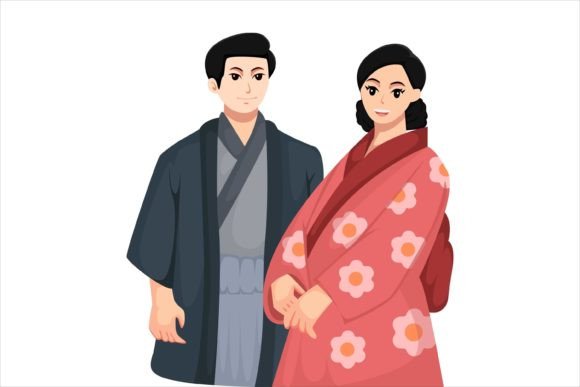
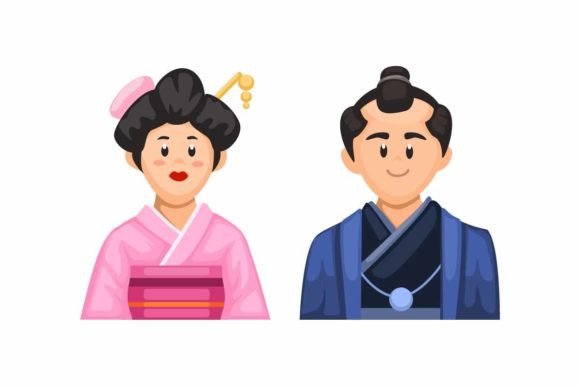
At its heart, this illustration style is defined by its meticulous detail and symbolic meaning. The visual characteristics are unmistakable: the intricate folds of the silk, the bold yet balanced patterns of the obi sash, and the serene expressions of the couple. It's a style that communicates reverence, commitment, and timeless beauty. Unlike a generic wedding graphic, the Japanese Traditional Kimono Wedding aesthetic carries a specific personality—one of quiet confidence, cultural sophistication, and profound respect for heritage.
The appeal lies in its versatility within a specific emotional range. It doesn't shout for attention; instead, it draws the viewer in with its craftsmanship and narrative depth. This makes it an exceptionally effective style for projects that aim to convey trust, luxury, and authenticity. For a designer, this is a valuable asset. It allows you to inject a layer of meaningful symbolism into your work, creating a stronger emotional connection with the audience.
Where This Style Truly Shines: Practical Applications
Knowing where to deploy this aesthetic is key to its success. Its strengths lie in projects where elegance, tradition, and a sense of occasion are paramount. Think beyond the obvious. While perfect for wedding stationery and event invitations, its applications are far broader in the hands of a creative professional.
- Brand Identity & Logo Design: For businesses in luxury goods, high-end hospitality, artisan crafts, or cultural services, a stylized element from this aesthetic can become the cornerstone of a memorable logo. It instantly communicates a brand's commitment to quality and tradition.
- Editorial & Packaging Design: In publishing, it can grace the cover of a literary novel, a lifestyle magazine feature on culture, or an elegant cookbook. For packaging, it transforms a product—be it tea, cosmetics, or sake—into a gift-worthy experience, enhancing perceived value through sophisticated visual storytelling.
- Digital Presence & Social Media: In web design, it can be used as a subtle background pattern, a hero illustration, or an icon set to create a cohesive and immersive user experience. For social media graphics, it provides a consistent, high-quality visual theme that stands out in a crowded feed, perfect for announcements, quotes, or branding posts.
The Strategic Impact on Communication and Perception
A font or illustration style is more than an aesthetic choice; it's a strategic one. The Japanese Traditional Kimono Wedding style directly influences how a message is received. Its inherent formality and elegance can establish immediate visual hierarchy, guiding the viewer's eye to the most important information while wrapping it in an aura of significance. This strengthens brand perception, positioning a project or business as professional, thoughtful, and detail-oriented.
Consistency is another major benefit. By using this style across various touchpoints—from a website's favicon to a business card to a social media ad—you build powerful brand recognition. The audience begins to associate the specific visual language with your core values, creating a cohesive and trustworthy identity. This isn't about following a trend; it's about building a lasting visual legacy.
A Practical Guide to Implementation and Pairing
Integrating this style effectively requires a thoughtful approach. It's not a one-size-fits-all solution, and its power is best realized through careful selection and pairing.
- Evaluate Project Fit: First, ask if the core message aligns with the style's personality. Is the project aiming for modern minimalism or classic elegance? For the latter, this style is a perfect match. It's a premium font and illustration choice that signals intentionality.
- Master Font Pairing: The key to modern typography is harmony. The detailed nature of the kimono illustrations pairs beautifully with clean, simple typefaces. Consider a sans serif font for body text to ensure readability, letting the decorative elements take center stage. A subtle serif font can also work for headings to reinforce a sense of tradition. Avoid pairing it with other highly ornate script fonts or handwritten fonts, which can create visual clutter and compete for attention.
- Consider Readability and Licensing: Always test your designs at various sizes. Ensure that any accompanying text remains legible against intricate backgrounds. Furthermore, if you plan to use this style for commercial projects, verify the licensing of your design assets. A proper commercial font and illustration license protects your work and your client's investment.
Ultimately, the Japanese Traditional Kimono Wedding style is more than a visual motif. When used with skill and understanding, it becomes a bridge between the past and the present, offering a sophisticated narrative tool that can profoundly shape audience engagement and elevate any creative endeavor. It’s a testament to how thoughtful design can convey depth, respect, and enduring beauty.