Elegant Floral Bouquet RSVPs: A Designer’s Guide
Why This Design Asset Feels Like a Breath of Fresh Air
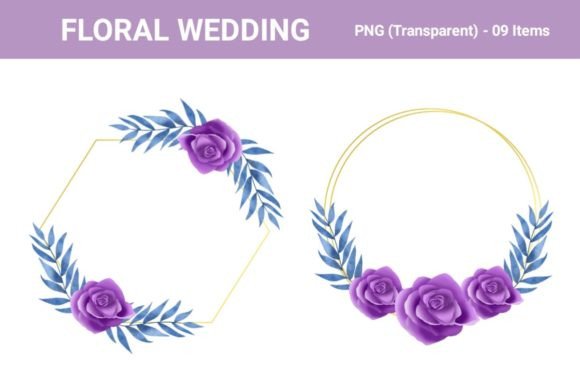
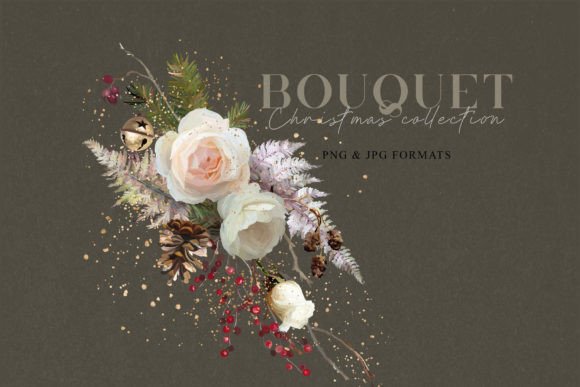
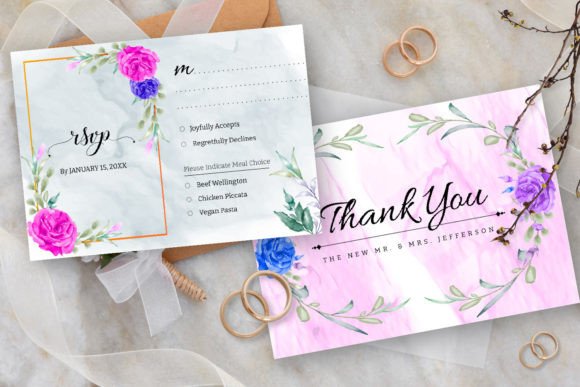
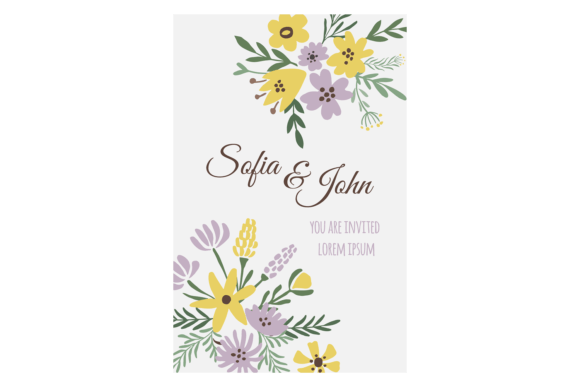
When you are planning a wedding, the stationery sets the emotional tone for the entire event. It is the first physical touchpoint guests have with your celebration. A generic, black-and-white text block simply does not convey the warmth, romance, and personal investment you have put into your special day. This is where the Wedding Card Template with a Floral Bouquet RSVP design truly shines. It is not just a piece of paper; it is a curated experience. The visual characteristics of this specific design style typically feature lush, organic illustrations—often rendered as a vector illustration in formats like EPS, JPG, and SVG. These floral elements are not merely decorative; they are the personality of the card.
The appeal lies in the delicate balance between nature and structure. The Floral Bouquet motif brings a sense of timeless romance, softening the rigid boundaries of the card's layout. Whether the style leans toward watercolor washes or crisp, modern line art, the overall vibe is sophisticated yet approachable. For designers and creatives, this template is a premium font of visual inspiration—it offers a complete brand identity for the wedding before a single toast is made. The versatility of having the design in multiple formats means you can easily adapt the artwork for digital invitations or high-quality letterpress printing.
Integrating the RSVP Template into Real-World Projects
You might think a Wedding Card Template is strictly for nuptials, but its utility extends far beyond a single event. If you are a small business owner in the event planning space, or perhaps a florist looking to revamp your marketing materials, the Floral Bouquet aesthetic is incredibly powerful. Imagine using the Floral Bouquet RSVP design elements for a boutique hotel’s welcome packets or a high-end spa’s appointment cards. The soft, organic lines of the bouquet work beautifully in packaging design for artisanal goods like candles, soins, or teas.
For those in editorial design, these vector elements can break up dense text in a magazine layout, providing a visual pause that feels elegant rather than distracting. In web design, the SVG format is particularly valuable because it scales perfectly without losing resolution, ensuring your site looks sharp on retina displays. You can extract a single floral element to use as a watermark on social media graphics or as a header image for a blog focused on lifestyle and wedding planning. The key is to view the Wedding Card Template not as a rigid file, but as a collection of design assets that can be deconstructed and repurposed to fit a variety of creative needs.
Typography, Readability, and Visual Hierarchy
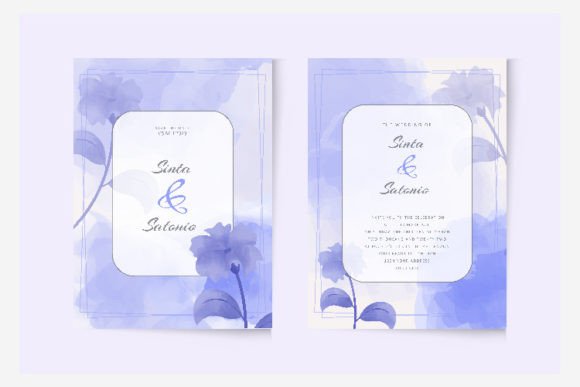
A beautiful floral frame is nothing without the right typography to support it. The success of your Wedding Card Template relies heavily on how the text interacts with the Floral Bouquet artwork. This is where understanding font pairing becomes essential. If the floral illustrations are intricate and busy, you need a typeface that offers high legibility and contrast. A clean sans serif font often works well for the body text of the RSVP details, providing a modern, crisp counterpoint to the organic curves of the flowers.
However, if the design calls for a more traditional or romantic feel, a classic serif font or a flowing script font might be the better choice for headings like the couple's names. The challenge with script fonts or handwritten fonts is that they can sometimes sacrifice readability for style, especially at smaller sizes. Therefore, always test your typography choices at the actual print size. A good Wedding Card Template will already have a suggested hierarchy—perhaps a bold display font for the main event details and a lighter weight for the location and time. This ensures the guest’s eye is drawn immediately to the most important information: the "Who, What, and When."
Practical Guidance for Selecting and Using Your Template
Choosing the right Wedding Card Template involves more than just picking a pretty picture. You need to evaluate the project fit and the technical specifications of the asset. First, look at the file formats included. A vector illustration in EPS or SVG is crucial if you plan to resize the design significantly or use it for large-format printing like banners or signage. A JPG is great for digital use, but it lacks the scalability of vectors.
Next, consider the commercial font licensing. If you are a designer creating this for a client, or a business using the template for marketing, you must ensure the license covers commercial use. Many premium font assets have specific terms regarding distribution, so reading the fine print protects you legally. When testing font pairings, don't just look at the letters in isolation; place them directly onto the Floral Bouquet RSVP background. Check the contrast—does the text disappear into the greenery? You might need to add a subtle drop shadow or a semi-transparent text box to ensure the information pops.
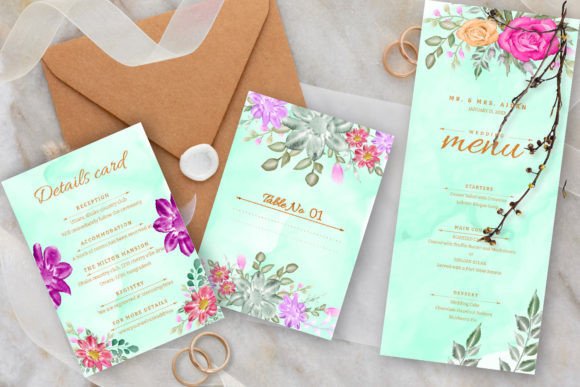
Finally, think about the overall brand identity you are building. The Wedding Card Template should feel like a cohesive part of a larger system. If you use this floral motif on the invitation, carry a subtle element of it over to the thank-you cards, the menu, and the wedding website. This consistency creates a professional, polished look that elevates the entire guest experience. Whether you are a hobbyist crafting a DIY wedding or a professional designer curating a modern typography portfolio, the Floral Bouquet RSVP template offers a versatile, high-quality foundation for your creative vision.